Read
15 min
Date
Jan 15, 2026
Category
Photography
COMPOSITION: WHAT THE FRAME LEAVES OUT
Every photograph is defined as much by its edges as by its subject — on the discipline of deciding what doesn't make it into frame.

Photography is often discussed in terms of what's included in a frame — the subject, the light, the composition. Less often discussed is the equally important decision of what's deliberately left out.
Every frame is a boundary. What falls outside that boundary shapes the image just as much as what falls inside it.

Cropping Before the Shutter
The strongest edit a photographer makes often happens before the photo is taken, not after. Choosing a focal length, a distance from the subject, or a specific angle determines what gets excluded from the frame entirely — a cluttered background, a distracting object, unwanted context.
Relying on cropping in post to fix this is a workaround. Framing it correctly from the start produces a stronger, more intentional image.
Context Versus Clutter
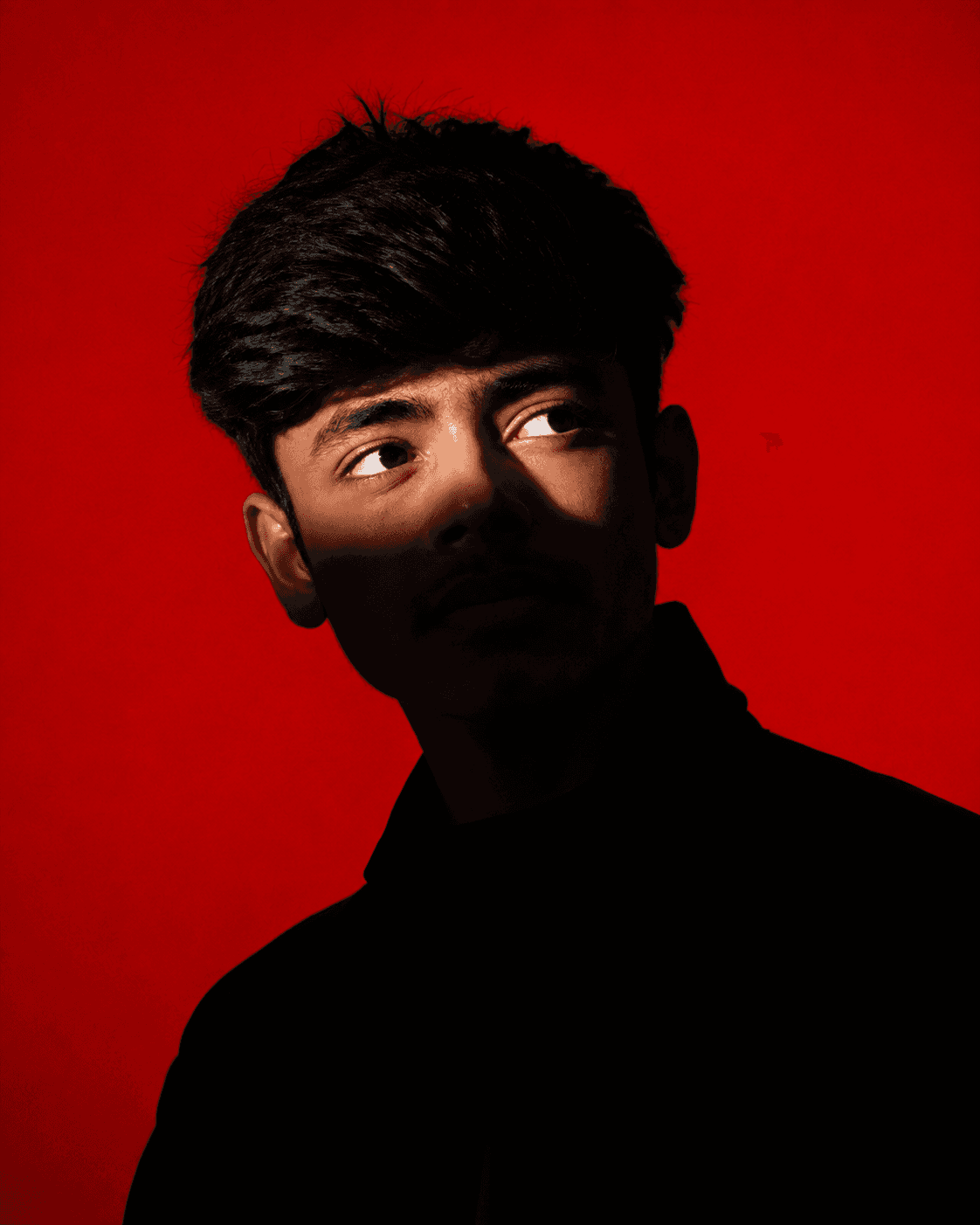
Not everything left out of frame is a mistake to avoid — sometimes it's information the image doesn't need. A tight portrait that excludes the surrounding room isn't missing context; it's choosing to make the subject, not the environment, the focus of the story.
The decision comes down to what the image is trying to say. If the environment supports the story, it stays. If it competes with the subject, it's cropped out at the moment of capture.
The Discipline of Subtraction
It's easier to add elements to a frame than to remove them. Subtraction requires actively noticing what doesn't serve the image — a stray object at the edge, an awkward horizon line, a background element pulling focus — and adjusting position or angle to exclude it.
This discipline is one of the clearest differences between an accidental photograph and a composed one.
A Considered Approach
What a frame leaves out is rarely accidental in strong photography. It's a series of deliberate choices made before the shutter is pressed — decisions that shape the story just as much as the subject at the center of it.


" height="25.00139023844741px" id="jBymG44fK" transform="translate(7.499 7.499)" width="25.001390238447406px"/></svg>)
